How Preventive Commercial Roof Maintenance Saves Florida Businesses Money
A commercial roof is one of the most important systems protecting a Florida business, but it is also one of the easiest to ignore when everything appears to be working properly. That can become expensive.
Florida commercial roofs are exposed to intense sunlight, high temperatures, heavy rain, humidity, strong winds, and seasonal storms throughout the year. Small issues such as loose flashing, damaged membranes, clogged drainage areas, deteriorating sealants, or minor leaks can gradually become larger problems if they are not identified early.
Preventive commercial roof maintenance gives business owners an opportunity to address those issues before they turn into emergency repairs, interior damage, operational disruptions, or premature roof replacement.
For businesses in Ocala, Marion County, and surrounding North Central Florida communities, a consistent inspection and maintenance strategy can help protect the building, extend the useful life of the roofing system, and reduce the number of expensive surprises that appear when the roof is neglected.
Small Roof Problems Are Usually Cheaper to Fix Early
Roofing problems rarely begin as the largest possible version of themselves.
A small opening around flashing, a damaged section of membrane, loose material, deteriorating sealant, or minor storm damage may initially affect only a limited area. If the problem is found early, repairs can often remain relatively focused.
When those same issues are ignored, water can move beneath roofing materials, damage insulation, reach structural components, stain ceilings, affect interior finishes, or create problems inside occupied areas.
At that point, the business is no longer paying only for a roof repair.
Interior cleanup, damaged inventory, disrupted operations, additional labor, and more extensive roofing work can all increase the true cost of the original problem.
Preventive maintenance helps shift the approach from reacting to visible damage toward identifying developing issues before they become emergencies.
That does not mean every inspection will uncover a major problem. In many cases, the value comes from confirming that the roof remains in good condition while addressing smaller maintenance items that could otherwise become more serious over time.
For commercial property owners, catching problems early is one of the simplest ways to control long-term roofing costs.
Regular Roof Inspections Create a Maintenance Baseline
A commercial roof is easier to manage when property owners understand its normal condition.
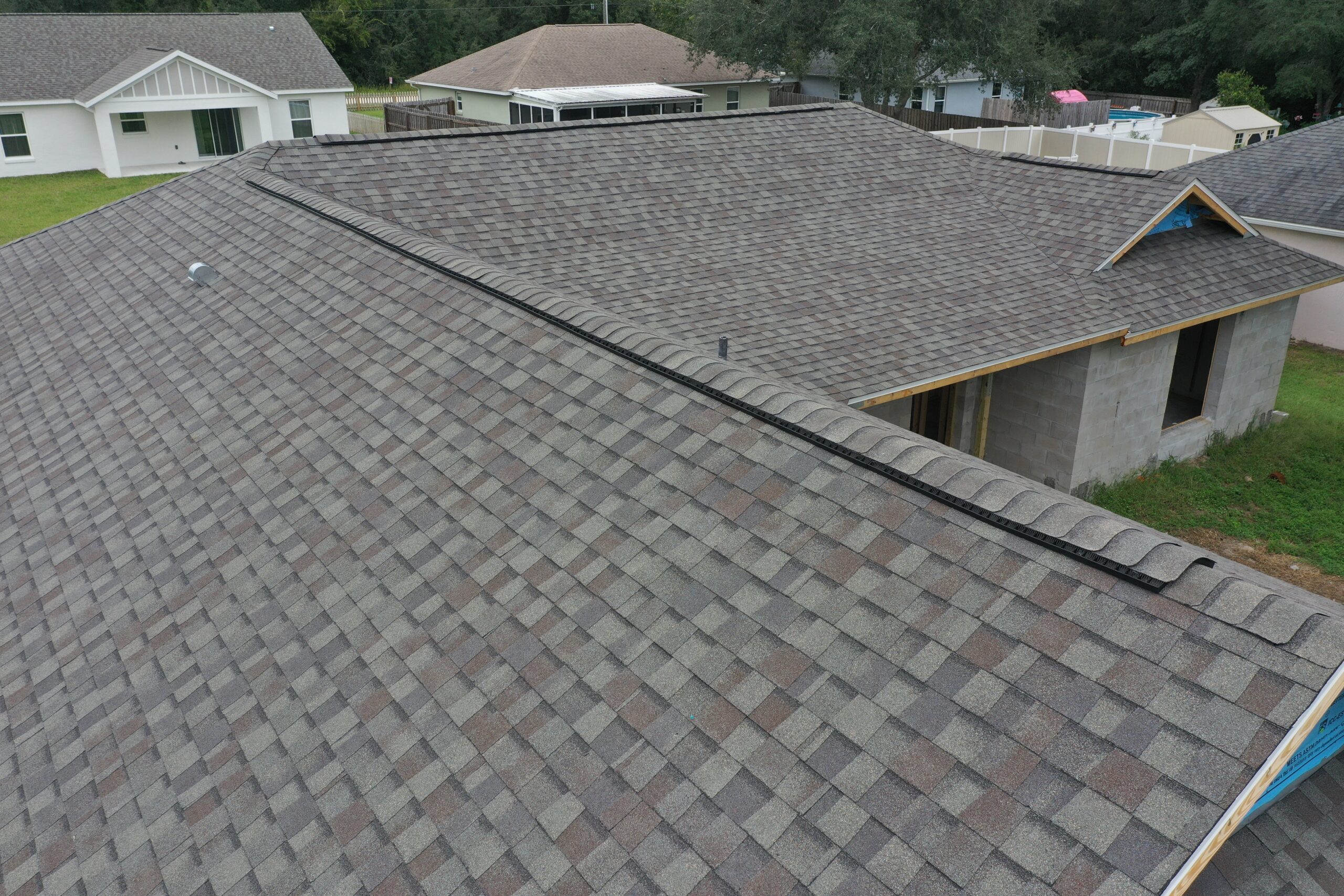
Regular professional inspections create a baseline that can be used to track changes over time. A roofing professional can evaluate visible wear, drainage, penetrations, flashing, seams, surface conditions, previous repairs, and other areas that may require attention. That history becomes particularly valuable on large commercial roofs where individual problem areas may not be obvious from the ground.
Inspections can also help property owners plan instead of react. If a section of the roof is beginning to age or specific components will likely require attention in the future, the business has more time to budget for the work and schedule it around operations. That is very different from discovering the same problem through an active leak during a busy workday.
Southern Pro Roofing provides professional roof inspections throughout its Central Florida service area, helping property owners identify developing issues and understand the current condition of their roofing systems. For businesses managing multiple maintenance priorities, a documented inspection process can make roof care more predictable and easier to include in annual facility planning.
Preventive Maintenance Can Help Extend Roof Life
Commercial roofing systems are long-term investments, which means maximizing their useful service life matters.
A roof that repeatedly experiences unaddressed leaks, standing water, damaged flashing, loose materials, clogged drainage, or other maintenance problems may deteriorate faster than a system that receives routine attention.
Preventive maintenance cannot make a roof last forever, and every roofing system eventually reaches the point where replacement becomes necessary.
What maintenance can do is help avoid preventable deterioration.
Addressing localized damage early helps protect surrounding materials. Keeping drainage areas functioning reduces unnecessary water exposure. Maintaining seams, flashing, penetrations, and other vulnerable areas can help preserve the integrity of the overall system.
That is particularly important in Florida because commercial roofs experience demanding conditions throughout the year rather than only during a short storm season.
Extending the useful life of a roofing system even modestly can have meaningful financial value for a business. Roof replacement represents a substantial capital expense, so keeping an existing roof performing properly for as long as reasonably possible can help owners delay that larger investment while maintaining protection for the building underneath.
Florida Weather Makes Maintenance More Important
Commercial roofs in Florida deal with a combination of environmental stresses that can accelerate wear.
Intense sunlight and high temperatures heat roofing surfaces throughout the day. Heavy rain tests drainage systems and exposes weak points. Humidity keeps moisture present in the environment, while strong winds and seasonal storms can damage materials or loosen components.
The roof may appear fine immediately after a weather event while still developing smaller issues that deserve attention.
That makes periodic inspections especially valuable after periods of severe weather.
Property owners should look for obvious warning signs such as interior leaks, missing materials, visible damage, ponding water, or debris accumulation, but not every problem can be identified from inside the building or from ground level.
Hurricane preparation should also be part of the larger maintenance strategy. Evaluating a roof before severe weather arrives gives property owners an opportunity to identify vulnerabilities while there is still time to address them, rather than discovering damage in the middle of a storm.
In a climate this demanding, preventive maintenance is less about expecting something to go wrong and more about recognizing that the roof is continuously exposed to conditions capable of creating wear.
Preventive Maintenance Helps Reduce Business Disruptions
A roof problem can become much more than a building-maintenance issue when it begins affecting normal business operations. An active leak may require employees to move equipment, relocate workstations, close part of a facility, protect inventory, or temporarily stop using an affected area. For retail, office, warehouse, industrial, agricultural, and service businesses, those interruptions can create costs that never appear on the roofing invoice. Preventive maintenance helps reduce that risk by identifying developing issues during planned inspections rather than waiting for a failure to announce itself during operating hours.
Scheduled maintenance also gives businesses greater control over timing.
Non-emergency repairs can often be coordinated around work schedules, customer traffic, deliveries, or other operational needs. An unexpected roofing failure provides much less flexibility. This is one of the biggest financial advantages of proactive roof care. The direct repair itself may be smaller, but the business also reduces the potential indirect costs associated with disruption, damaged property, employee downtime, and rushed decision-making.
A roof that quietly performs its job every day may not receive much attention. For a business owner, however, that lack of disruption is exactly the outcome preventive maintenance is designed to support.
Different Commercial Roofing Systems Need Different Attention
Commercial properties use a wide range of roofing systems, and maintenance should reflect the specific materials installed on the building.
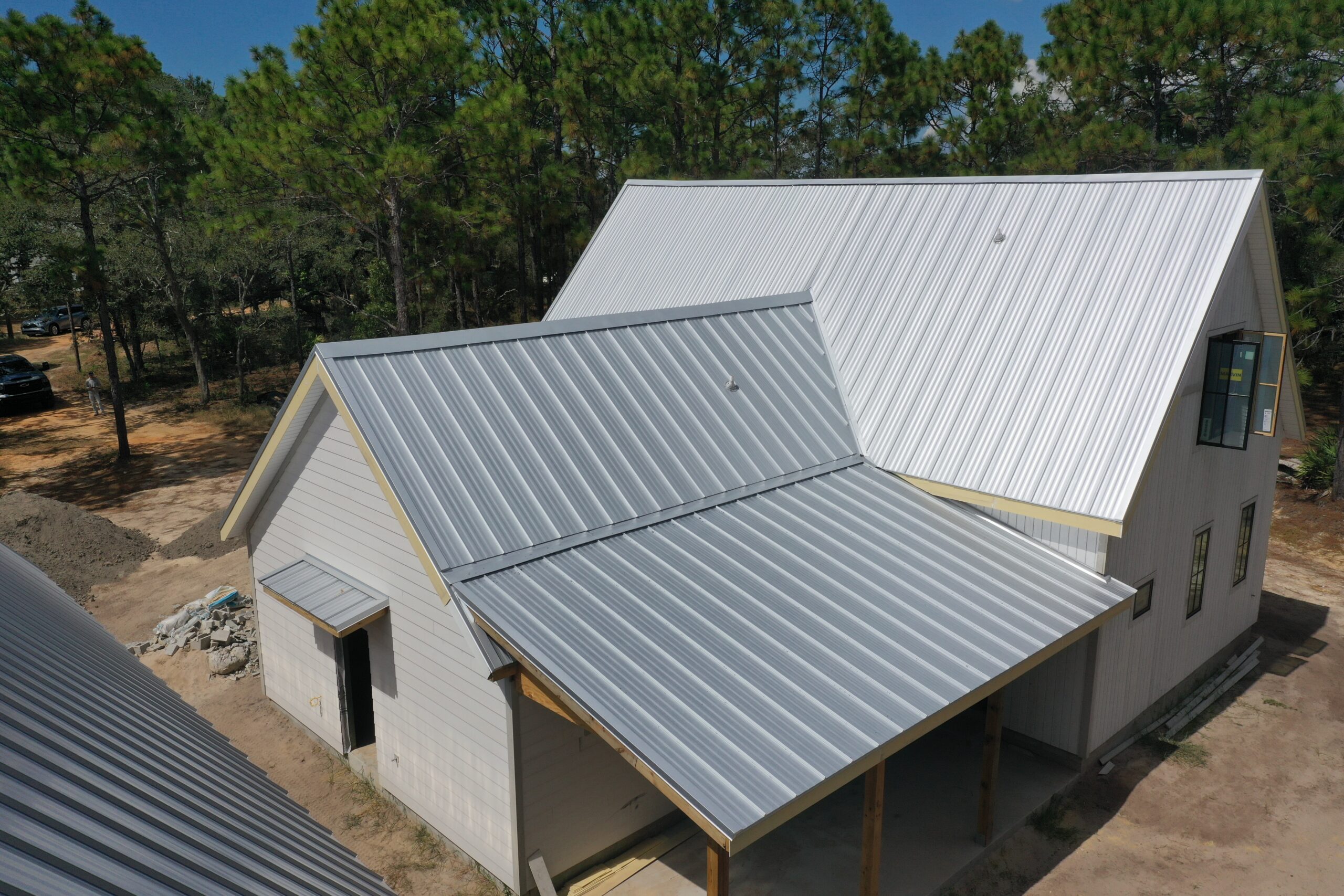
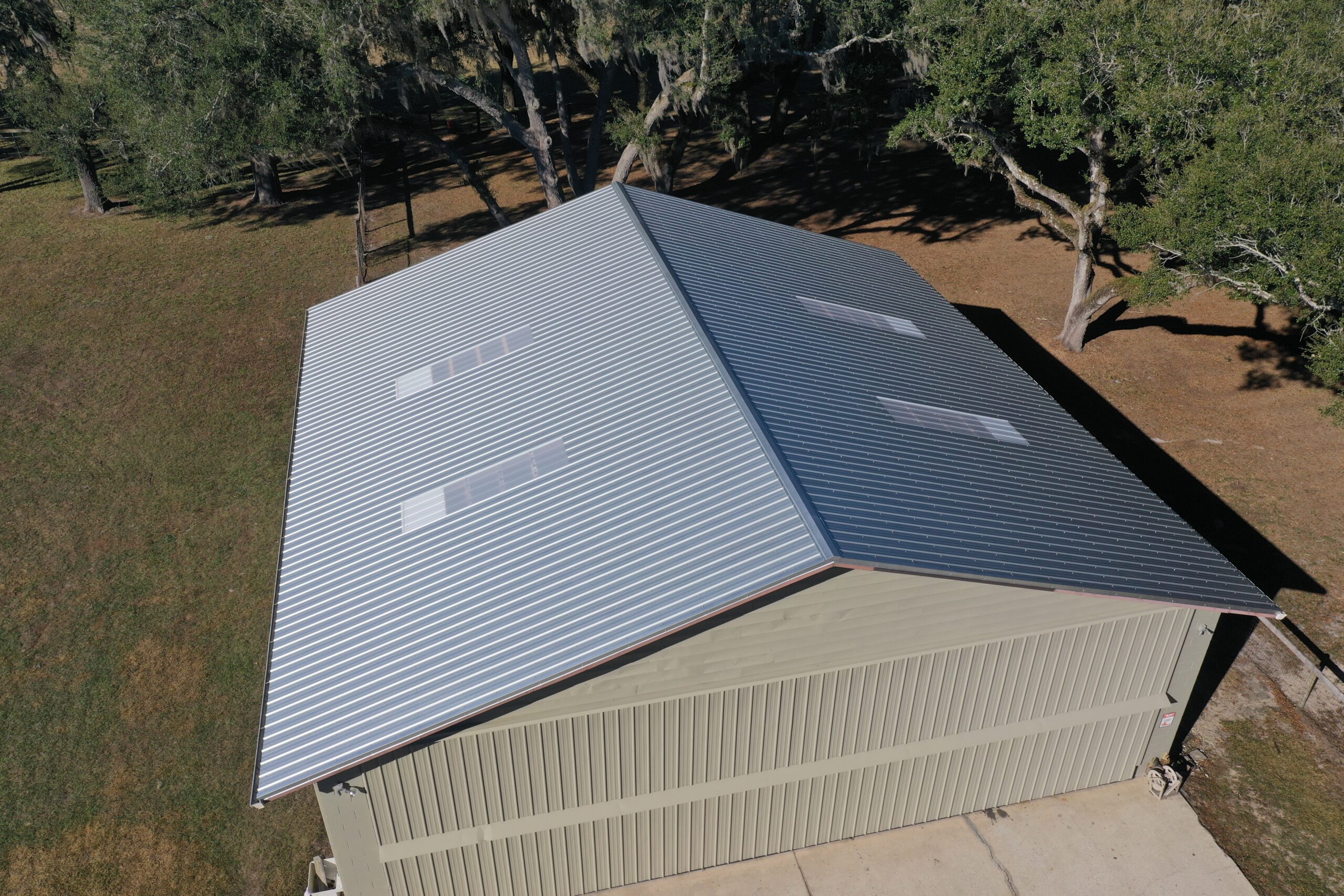
Flat and low-slope roofs require particular attention to drainage, seams, membranes, penetrations, and areas where water may collect. Metal roofing systems have different maintenance considerations, including panels, fasteners, flashing, sealants, and transitions. Southern Pro Roofing works with commercial systems including metal roofing, TPO, modified bitumen, and flat roofing applications. That variety is important because a one-size-fits-all maintenance checklist may overlook issues specific to the actual roof.
The age of the system matters as well.
A newer commercial roof may primarily need routine inspections and minor preventive attention, while an older system may require closer monitoring of areas that have already experienced years of Florida weather. Previous repairs should also be tracked so contractors can evaluate whether those areas continue performing properly.
Understanding the type, age, and history of the roof helps create a maintenance strategy based on the building itself rather than treating every commercial property the same way.
Protect Your Business With a Proactive Roofing Plan
Preventive commercial roof maintenance is ultimately about protecting more than roofing materials.
It helps protect the building, inventory, equipment, employees, customers, operations, and financial investment underneath the roof.
Regular inspections and timely repairs can help businesses catch smaller issues early, reduce the risk of unexpected leaks, support longer roof life, and create a more predictable approach to facility maintenance.
Southern Pro Roofing provides commercial roofing, inspections, repairs, replacement, metal roofing, and other roofing solutions for businesses throughout Ocala, Marion County, and surrounding North Central Florida communities.
For business owners, the best time to think about the roof is before an active problem forces the issue. If your commercial roof has not been inspected recently, has experienced severe weather, or is beginning to show signs of wear, scheduling a professional evaluation can provide a clearer picture of its current condition and what steps may help protect it moving forward. A little preventive attention today can help avoid a much more expensive interruption tomorrow.