Is Your Roof Ready for Hurricane Season? A Florida Homeowner's Checklist
Hurricane season is a fact of life in Florida. While you can’t control the weather, you can take steps to make sure your roof is prepared before strong winds, heavy rain, and flying debris arrive.
Your roof is your home’s first line of defense during a storm. Even small issues like a loose shingle or damaged flashing can quickly turn into costly repairs when severe weather moves through. The good news is that many of these problems can be identified and addressed before hurricane season reaches its peak.
Use this homeowner’s checklist to evaluate your roof and reduce the risk of storm damage. Whether your home has asphalt shingles or a metal roof, a little preparation today can provide valuable peace of mind when the next storm is in the forecast.
Start With a Professional Roof Inspection
One of the smartest ways to prepare your home for hurricane season is by scheduling a professional roof inspection. Many roofing issues develop slowly over time and may not be visible from the ground. Catching them early can help prevent significant damage during severe weather.
During an inspection, a roofing professional can identify concerns such as:
- Missing or damaged shingles
- Loose or damaged flashing
- Worn sealants around roof penetrations
- Soft or deteriorating roof decking
- Signs of previous storm damage
- Areas where water may be able to enter your home
If it has been several years since your last inspection, or if your roof has experienced previous storms, now is the ideal time to schedule a professional roof inspection before hurricane season is in full swing.
Trim Trees and Remove Potential Hazards
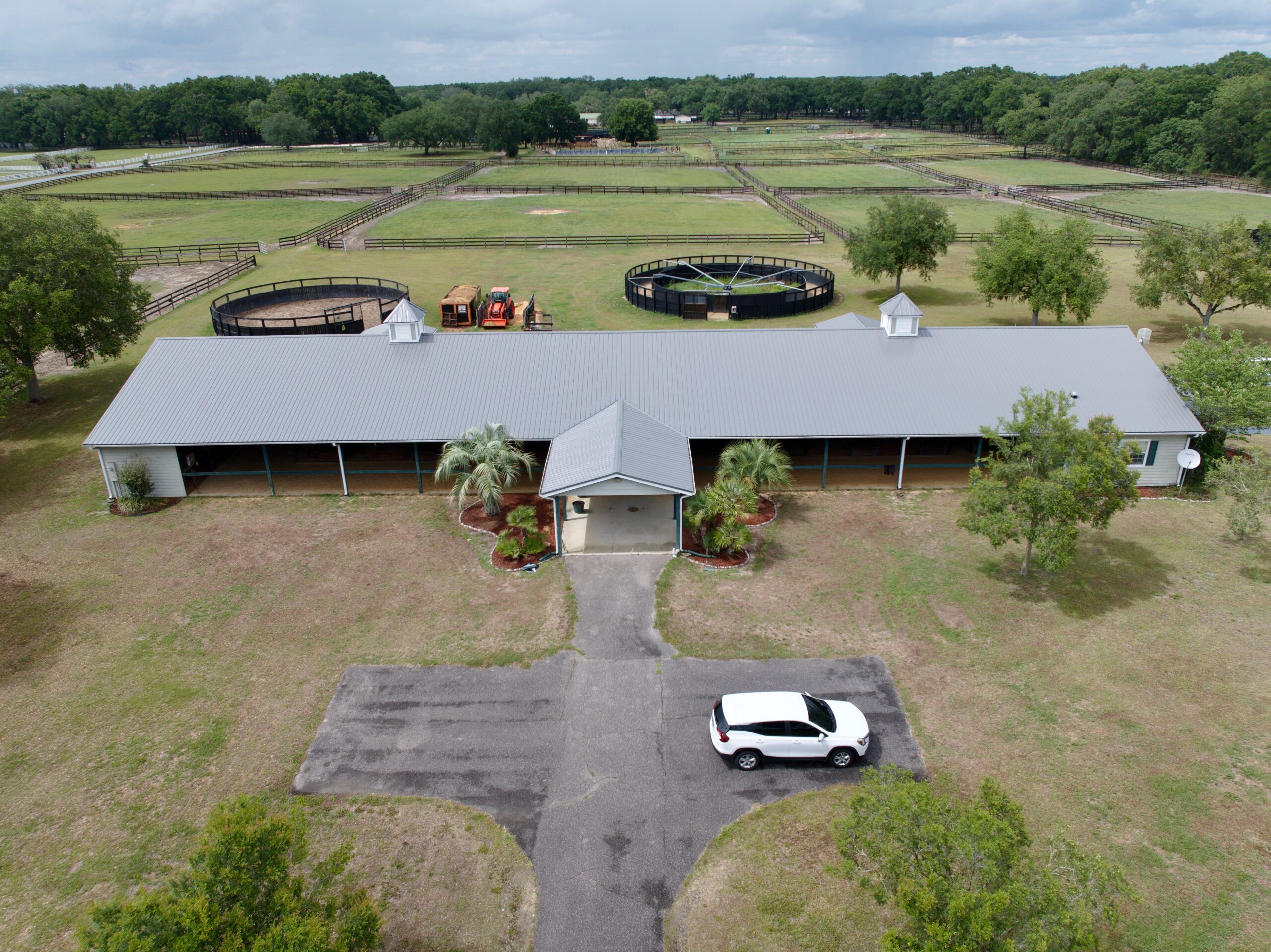
Your roof isn’t the only thing that should be storm ready. Trees surrounding your home can become one of the biggest threats during high winds.
Walk around your property and look for:
- Dead or damaged branches
- Limbs hanging over your roof
- Trees leaning toward your home
- Loose yard items that could become airborne
Keeping trees properly trimmed can reduce the chance of impact damage during a hurricane. It’s also a good opportunity to clean gutters and remove leaves or debris that could prevent proper drainage during heavy rainfall.
Is Your Roofing Material Ready for Florida Weather?
Not all roofing systems perform the same during severe weather. Understanding the strengths of your current roof can help you make informed decisions about maintenance, repairs, or future replacement.
Asphalt Shingle Roofs
Modern architectural shingles are designed to withstand high winds when installed correctly. Regular maintenance and prompt repairs help ensure they continue protecting your home throughout hurricane season.
If you’re considering replacing an aging roof, learn more about the benefits of asphalt shingle roofing and how today’s materials provide improved durability and performance.
Metal Roofs
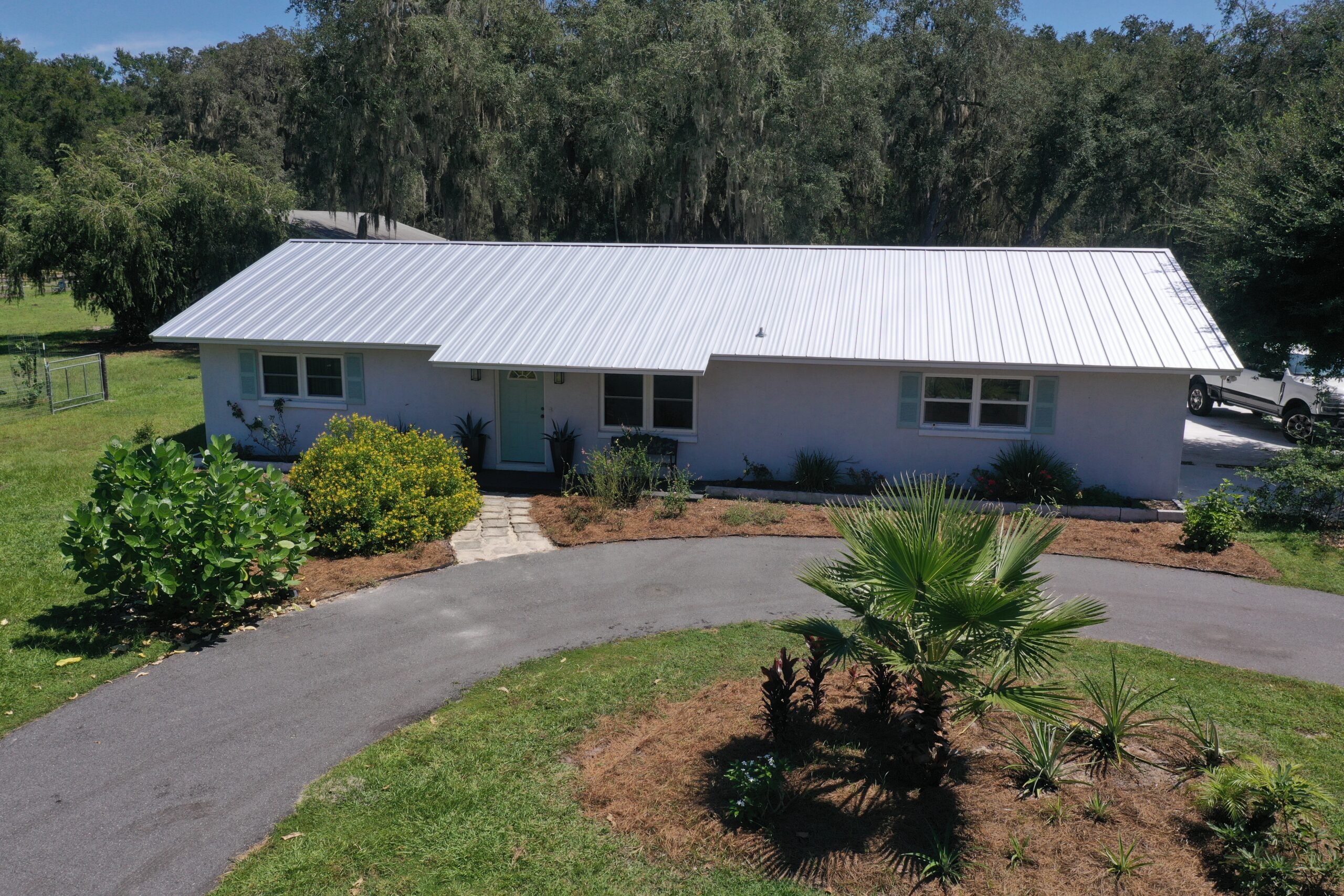
Metal roofing has become increasingly popular across Florida because of its exceptional durability and wind resistance. Properly installed metal roofing systems can perform extremely well during hurricanes while also offering excellent longevity and energy efficiency.
If you’re exploring long-term roofing solutions, see why many homeowners are choosing metal roofing for their Florida homes.
Don't Overlook the Small Components That Protect Your Roof
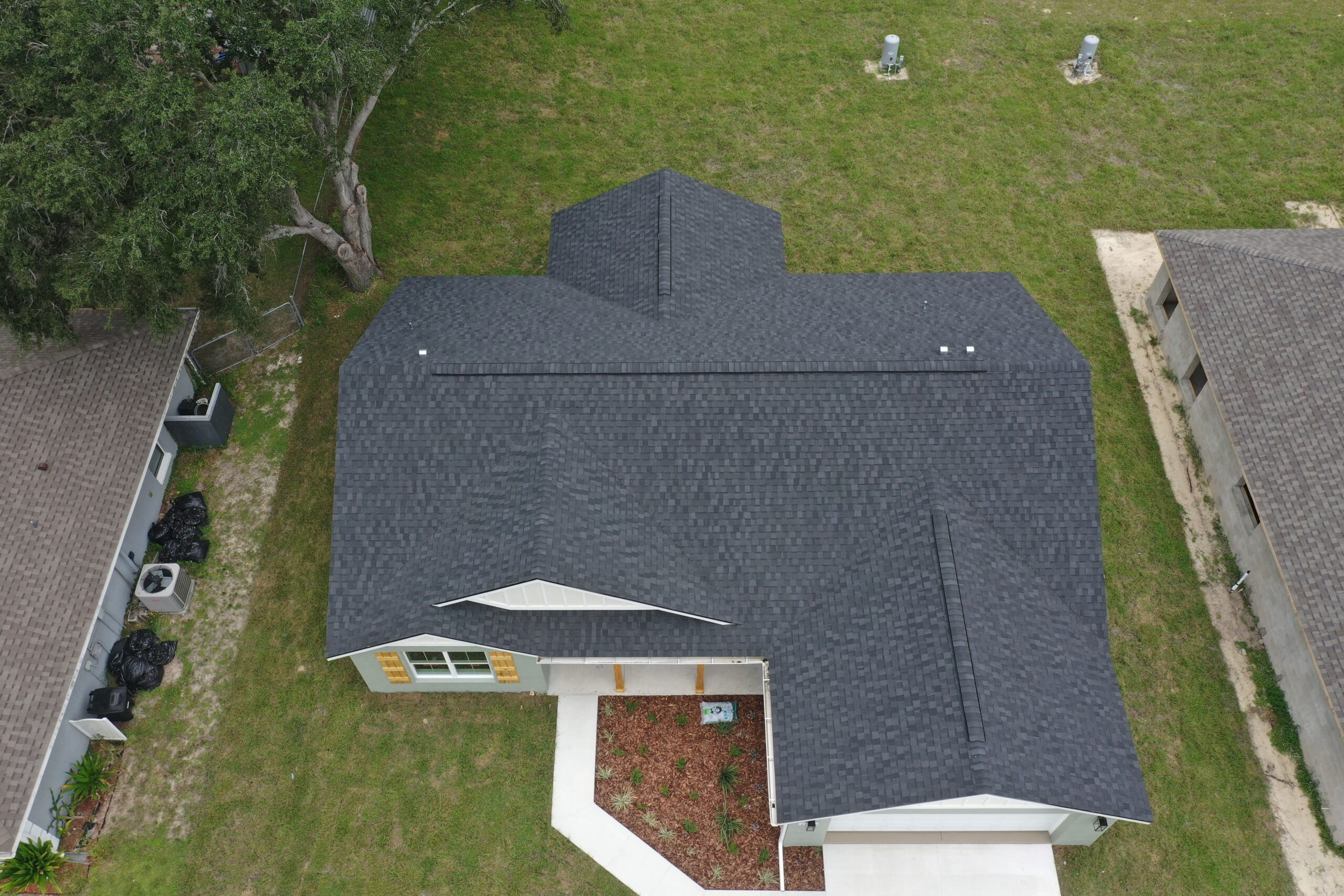
While shingles or metal panels often get the most attention, many roofing problems during hurricane season begin with smaller components that homeowners rarely notice.
Take a few minutes to inspect areas such as:
Flashing around chimneys, skylights, and roof valleys
- Pipe boots around plumbing vents
- Ridge vents and other roof ventilation components
- Gutters and downspouts
- Soffit and fascia around the roofline
If any of these components are loose, damaged, or showing signs of wear, they can create an entry point for wind driven rain during a hurricane. Addressing minor repairs before storm season is much easier and less expensive than dealing with water damage after severe weather.
What to Do After a Hurricane Passes
Even if your roof appears to have made it through the storm, it’s important to inspect your property safely once conditions improve.
Follow these steps after a hurricane:
- Walk around your home and inspect your roof from the ground.
- Look for missing shingles, lifted metal panels, exposed underlayment, or fallen debris.
- Check ceilings and attic spaces for signs of water intrusion.
- Take photos of any visible damage before making temporary repairs.
- Avoid climbing onto your roof, especially if structural damage is possible.
If your home has been affected by severe weather, contact a professional roofing contractor as soon as possible. Southern Pro Roofing offers 24/7 emergency storm damage roof repair to help homeowners protect their property and minimize additional damage after a storm.
Hurricane Season Roof Readiness Checklist
| Checklist Item | Why It Matters | Recommended Timing |
|---|---|---|
| Schedule a professional roof inspection | Identifies hidden damage before hurricane season | Before storm season begins |
| Replace missing or damaged shingles | Helps prevent wind from lifting additional shingles | As soon as damage is found |
| Inspect flashing and roof penetrations | Helps reduce the risk of water intrusion during heavy rain | Annually or before hurricane season |
| Clean gutters and downspouts | Allows rainwater to drain away from the roofline | Before every major storm |
| Trim overhanging tree branches | Reduces the risk of impact damage from falling limbs | At the start of hurricane season |
| Secure loose roof components | Prevents small weak points from becoming major storm damage | Before severe weather arrives |
| Review your emergency roof repair plan | Helps you respond quickly if your roof is damaged after a storm | Before hurricane season |
Pro Tip:
Don’t wait until a hurricane has been named to schedule a roof inspection. Once severe weather is forecast, roofing companies often experience a surge in emergency calls, making it harder to schedule inspections or repairs. Preparing early gives you the best opportunity to address small issues before they become expensive storm damage.
Frequently Asked Questions About Hurricane Season Roof Preparation
How often should I have my roof inspected in Florida?
Most homeowners should schedule a professional roof inspection at least once a year. It’s also a good idea to have your roof inspected after a major hurricane or severe windstorm.
Can a small roof problem become worse during a hurricane?
Yes. Loose shingles, damaged flashing, and minor leaks can quickly become major issues when exposed to hurricane force winds and heavy rain.
Are metal roofs better during hurricanes?
Metal roofing is known for its exceptional durability and wind resistance when professionally installed. Many Florida homeowners choose metal roofing because it performs well during severe weather while offering long-term value.
What wind speeds can asphalt shingles withstand?
Many modern architectural shingles are designed to withstand winds up to 130 mph when installed according to manufacturer specifications. The actual performance depends on the quality of the materials, proper installation, and the condition of the roof.
Should I inspect my own roof after a hurricane?
You should inspect your roof from the ground and look for visible damage, but avoid climbing onto the roof yourself. A professional inspection is the safest way to identify hidden storm damage.
Prepare Today for Peace of Mind Tomorrow
Hurricane season is unpredictable, but preparing your roof doesn’t have to be. Taking the time to schedule an inspection, complete minor repairs, and ensure your roofing system is ready for severe weather can help protect your home when it matters most.
Whether your roof has asphalt shingles, metal roofing, or you’re considering an upgrade, being proactive is one of the best investments you can make before hurricane season reaches its peak.
If you’re ready to make sure your home is prepared, schedule a professional roof inspection with the team at Southern Pro Roofing. We’ll evaluate your roof, identify any concerns, and help you feel confident heading into Florida’s storm season.